
Candace AI builds software for buying and selling small businesses in the United States. When the owner of a restaurant, a car wash or a plumbing company decides to sell, a business broker runs the sale, and the broker, the seller and the buyer all have to work on the same deal without anything leaking. Most of that still happens in email, spreadsheets and PDF attachments. Candace AI moves it into a single workspace and automates parts of it. Millions of American owners will retire and sell their businesses over the next two decades, so a lot of that work is coming.
Our project
Over six weeks in Mountain View, our two-person team worked directly on the live Candace AI product, with three focus areas:
- Mapping the application: we went through every screen and wrote down what it does and who is allowed to see it, so the company has one complete map of its own product.
- Improving AI document generation: before a business goes on the market, the broker writes a blind profile, a listing that describes the company in detail but never names it, so that staff, customers and competitors do not find out it is for sale. We rewrote the instructions the AI is given to produce those texts.
- Improving AI document parsing: the same problem in reverse. When a seller uploads their accounts, the AI has to read them, pull out the right figures, and be able to show where each one came from.
The platform already used AI, but the instructions it was given were short and never changed, so the results were unpredictable. Instead of judging the output by feel, we collected real business listings as a reference, defined what a good description has to contain, and scored every version against the same checklist. That way each change could be shown to be an improvement rather than a different opinion.
Project log
Week 1
Kickoff with the Candace team and a full walk-through of the product. Agreed the six-week plan with our client and started mapping the application.
Week 2
Finished mapping the advisor workspace and drew it as a diagram showing every screen and how they connect. Started reading the code that writes the AI texts.
Week 3
Got the application running on our own machines and reported our first confirmed bugs to the client. Began building the checklist we use to score the generated listings.
Week 4
Ran the old and the new instructions against our reference set and measured the difference. Found and fixed two mistakes in our own scoring code along the way.
Week 5
Tested three versions of the instructions against 13 real business listings, repeating each run six times to check that the results were consistent. The version we wrote passed all 78 runs. The one currently in the product passed 10. Reviewed the findings with our client and started building the final presentation.
Week 6
Final week. Handing the work over to Candace AI, writing up the project report, and presenting the results on 22 August.
Beyond the desk
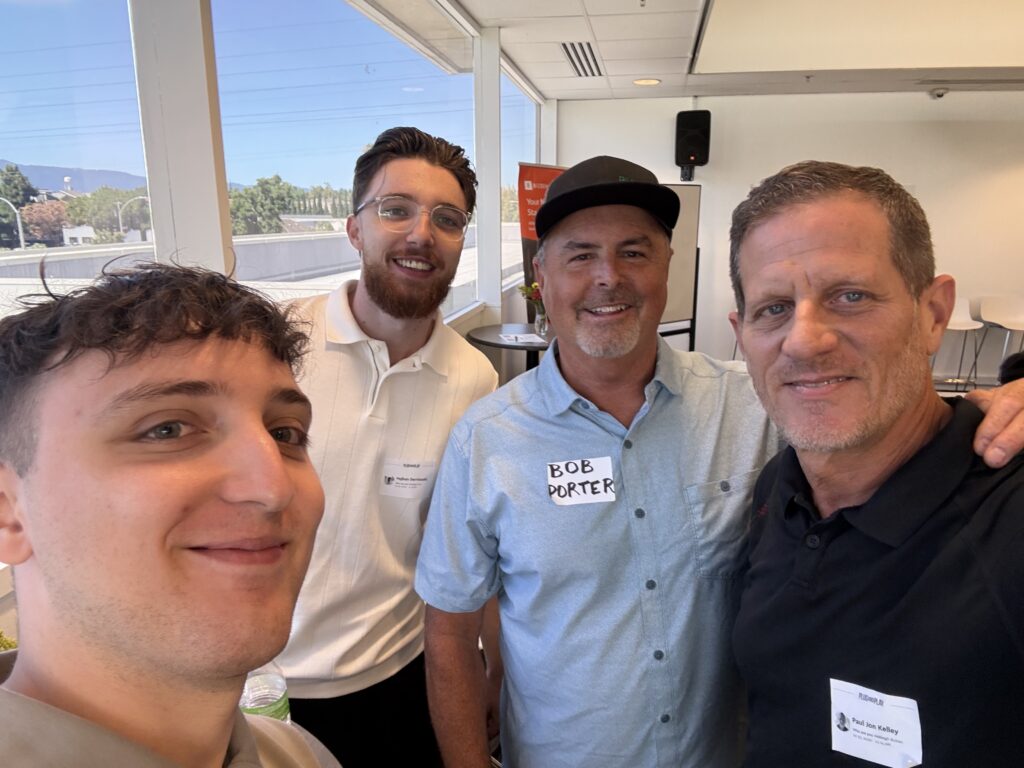
The team
Vejhan Dervisoski
Dionis Koci
Client: Candace AI, Mountain View, California. Our contacts there: Chris Oliver (technical lead) and Paul Jon Kelley (domain lead). Academic supervision: Prof. Christian Schucan, HSLU.