
Finding the right investor is difficult for many startups. Founders often contact investors without knowing if they are still active, interested in their industry or investing at their stage. During our six weeks in Silicon Valley, we worked with Pitchtree to make this process more structured, more efficient and easier to scale.

Our Project
Pitchtree helps founders connect with investors that fit their company, industry, funding stage and needs. This sounds simple, but in practice both sides face a lot of unnecessary work. Founders may contact investors who are no longer active or are not a good fit, while investors receive many pitches that do not match their investment focus.
At the beginning of our project, Pitchtree already had an investor database, but the information was not always structured in the same way and some investor records needed further verification. At the same time, the website was still mainly a landing page and did not yet clearly represent Pitchtree as a platform connecting founders and investors.
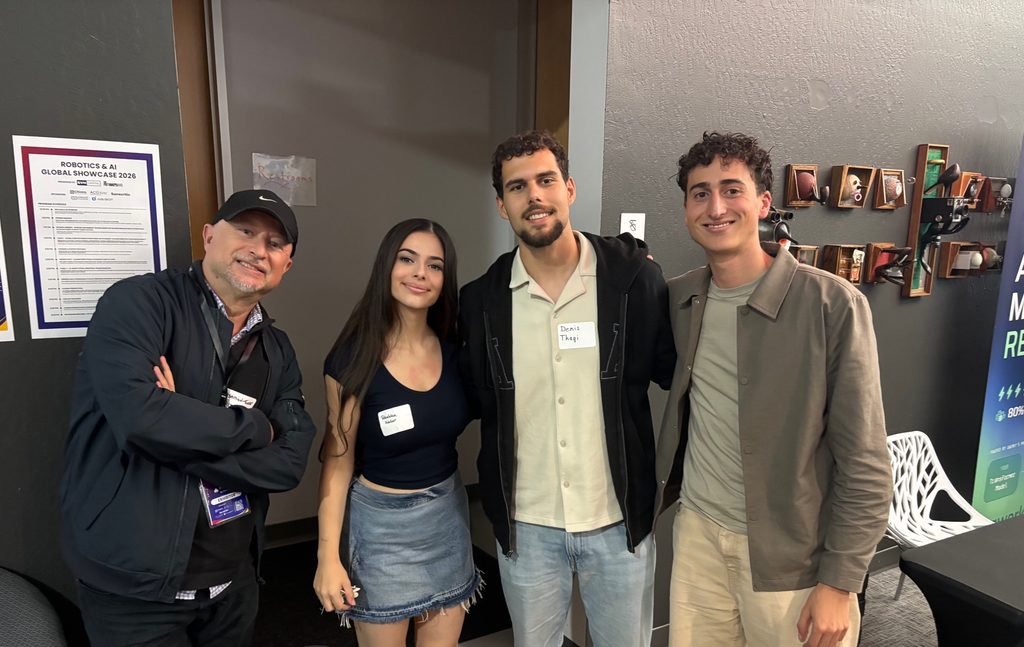
Our project therefore focused on two main areas. Rebekka worked mainly on the investor database and automation, while Denis focused mainly on the website, content and visibility. We still worked closely together, reviewed each other’s work and made the most important project decisions as a team.
Better Investor Data
We cleaned and standardized the existing investor database using an agreed structure. Information such as investment stage, industry, location and investment thesis became easier to compare and use.
We then developed an investor enrichment workflow. It checks public information to support the decision of whether an investor is still active and can collect additional information about active investors. The results can be reviewed before they are added to the database.
The goal: reduce repetitive research while keeping the results understandable and reviewable.
Better Website & Content
We developed the original landing page into a more complete and structured website. We improved the design and navigation, added investor-related content and created pages that better explain what Pitchtree offers to founders.
We also worked with Sanity CMS so blog articles and investor content can be managed more easily. One of the main additions was the Investor Tracker, where selected investors are presented with useful information for founders.
The new content also created a stronger foundation for SEO and GEO, helping Pitchtree build more relevant pages around investors and fundraising topics.
Better data and better visibility can lead to better matches. This idea connected the different parts of our project during the six weeks.
Our Silicon Valley Experience
The project itself was only one part of our experience. During the six weeks, we visited different companies, met founders and spoke with people working in technology, startups and investment. These conversations often gave us a different perspective from what we normally experience at university.
One thing that stood out to us was the startup mindset. People seemed less afraid of trying an idea, testing it and changing direction if it did not work. Failure was often discussed as experience rather than something to hide. Compared with Switzerland, the environment felt faster and more willing to experiment.
Networking was another important part of the experience. People were generally open to talking about their projects, careers and ideas. By asking questions during company visits and events, we received useful insights that we would not have gained by only listening to presentations.
At the same time, the experience also made us appreciate some advantages of the Swiss working culture, especially structure, reliability and planning. For us, one of the biggest learnings was that both approaches have strengths: structure is important, but so are speed, initiative and the confidence to try something new.
Project Log
Week 1 – Getting Started
We started with the kick-off meeting together with Sebastien Torre, Lucien and our HSLU supervisor. We discussed the project goals, possible scope and how we wanted to work together. Afterwards, we finalized the project scope, signed the NDA, created the shared project folder and received access to the GitHub organization and investor database. We also started the first database cleaning tasks.
Week 2 – Understanding the Existing Setup
We looked more closely at the existing Pitchtree website and its technical setup. The basic blog structure already existed, but no articles had been published. After receiving access to Sanity, we created a test article to understand the publishing process. In parallel, we continued cleaning the investor database and improved the process for checking investor activity.
Week 3 – Preparing the Next Steps
The database cleaning was nearly completed and we prepared the data for later enrichment. We also evaluated tools for content automation and agreed on the technologies we wanted to use for AI-supported content creation. At the same time, we prepared a list of well-known investors for future website and blog content.
Week 4 – Website, Content and SEO/GEO
We researched and prepared content about selected investors and uploaded articles to Sanity. We improved the layout and visual structure of the Astro website and worked on the first SEO and GEO improvements. On the database side, we continued improving investment theses and preparing the investor enrichment process.
Week 5 – Bringing the Main Results Together
We continued redesigning and optimizing the website, finalized the prepared blog content and started adding selected investors to the Investor Tracker. During this week, the investor enrichment workflow was also completed and tested.
Week 6 – Finalization and Handover
In the final week, we completed the remaining investor content, finished the project documentation and prepared the handover. The documentation explained how the website and content could be maintained after our project. We then prepared and delivered our final presentation.
Project Facts
| Company | Pitchtree |
| Project | Investor Database, AI Automation & Website |
| Team | Denis T. & Rebekka K. |
| Project Provider | Sebastien Torre |
| Project Contact | Sebastien Torre & Lucien O. |
| Duration | Six weeks, 13 July – 21 August 2026 |
| Project Location | Silicon Valley, California |
| HSLU Supervision | Christian Schucan & Benjamin Emmenegger |
© 2026 HSLU | All Rights Reserved